
Staking Vs Holding Which Is Better
 Admin
Admin- posted on
- No Comment
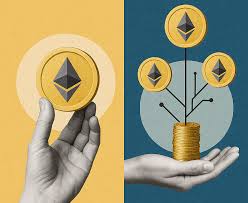
This decision really matters. It’s not just about picking one word over another. It’s about how your crypto works for you. Are you looking to earn passive income? Do you want to be more involved in a network? Or are you simply waiting for the market to go up? Understanding the difference between staking vs holding can help you make choices that feel right for your money and your peace of mind.
In this guide, we’re going to break down exactly what staking and holding mean. We’ll look at the good things and the not-so-good things about each. We want you to walk away feeling clear about which path might be the best fit for your own crypto journey. Let’s dive in and clear up this common crypto question together.
Staking involves locking up your cryptocurrency to support a blockchain network’s operations, often earning rewards in return. Holding, also known as HODLing, simply means buying and keeping your cryptocurrency for the long term, expecting its value to increase over time. The best choice depends on your investment goals, risk tolerance, and desired level of involvement with your assets.
What Exactly is Staking?
Think of staking as putting your crypto to work. It’s a way to earn more crypto by helping a blockchain network stay secure and run smoothly. Not all cryptocurrencies can be staked. This method works for coins that use a “Proof-of-Stake” (PoS) system. Bitcoin, for example, uses “Proof-of-Work,” so you can’t stake it.
In a Proof-of-Stake system, instead of using a lot of computer power like in Proof-of-Work, people who own the coin can lock up a certain amount of it. These locked coins are called “staked” coins. The network then uses these staked coins to validate new transactions and create new blocks. It’s kind of like being a shareholder who also helps manage the company.
When you stake your coins, you’re essentially helping to secure the network. For doing this important job, the network rewards you. These rewards are usually paid in the same cryptocurrency you staked. The amount you earn often depends on how much you stake and for how long. It’s a way to get passive income from your digital assets.
How Does Staking Work Under the Hood?
Proof-of-Stake is quite clever. It lets people who own the crypto have a say in how the network runs. When you stake, you’re often chosen to create new blocks based on the amount you have staked. The more you stake, the higher your chance of being selected. This process helps keep the network honest because people with more stake have more to lose if they try to cheat.
Imagine a big digital ledger, the blockchain. When new deals are made, they need to be added to this ledger in groups called blocks. Stakers help decide which new block is the correct one to add next. They are chosen to “propose” a block or “attest” to a block’s validity. This is how new transactions are confirmed without needing a central bank or authority.
The rewards you get are like a payment for your service. They help encourage people to stake their coins and keep the network running. The specific rules for staking can differ a lot between different cryptocurrencies. Some might have minimum amounts you need to stake. Others might have periods where your coins are locked and cannot be moved.
Staking Styles Explained
There are a few ways to get involved with staking. You can run your own staking node, which requires technical skill and a significant amount of crypto. Many people use staking pools or services. These pools combine the coins of many users to increase their chances of earning rewards. Exchanges also offer staking services, making it quite simple.
Direct Staking: You manage your own stake. This gives you more control but needs more knowledge.
Staking Pools: You join others. Rewards are shared based on contributions.
Staking Services/Exchanges: Easy to use. Platforms handle the technical side for you.
The Upside of Staking
The biggest perk of staking is earning rewards. It’s a way to grow your crypto holdings without actively trading. These rewards can add up over time, especially if the price of the coin also increases. This passive income can be a great addition to your financial strategy.
Another benefit is that staking helps make the blockchain network stronger and more secure. By participating, you’re contributing to the health of the system. This can lead to a more stable and valuable network in the long run. Some people like the idea of being an active participant in the crypto economy.
Staking can also be more energy-efficient than Proof-of-Work mining. This is a big deal for many who care about the environmental impact of cryptocurrencies. Proof-of-Stake systems use much less electricity. This makes them a greener choice for some.
The Downside of Staking
But staking isn’t all easy gains. One major risk is the “lock-up period.” Many staking programs require you to lock your coins for a set time. During this time, you can’t sell your coins, even if the price drops sharply. This means you could miss out on opportunities to sell at a higher price or cut losses.
Then there’s the risk of “slashing.” If the validator you are staking with acts maliciously or is offline too much, the network might punish them. This punishment can involve taking away some of their staked coins. If you stake through a pool or service, you might lose some of your investment if they get slashed. This adds a layer of risk you need to be aware of.
The value of your staked crypto can also go down. If the market price of the coin falls, the value of your staked coins and the rewards you earn will also fall. You might be earning more coins, but their actual dollar value could be less than what you started with. It’s important to remember that staking rewards are usually paid in the same crypto, not dollars.
Staking Risks at a Glance
- Lock-up Periods: Coins are inaccessible for a set time.
- Slashing Penalties: Loss of staked crypto due to validator errors.
- Market Volatility: The value of staked assets can decrease.
- Validator Performance: Rewards depend on validator uptime and honesty.
What is Holding (HODLing)?
Holding, often called “HODLing,” is the simplest crypto strategy. It comes from a typo in an old forum post that stuck. It means you buy a cryptocurrency and hold onto it for a long time, no matter what happens in the short term. You believe that the price will increase significantly in the future.
This strategy is very common, especially with newer investors. They see the potential for massive growth in digital assets and decide to just buy and wait. It’s a strategy based on faith in the technology or the project behind the coin. You’re essentially betting on the long-term success of that specific cryptocurrency.
When you hold, you’re not actively doing anything with your crypto. You’re not validating transactions or participating in network governance. You are simply a passive owner, waiting for the market to catch up to your belief in the asset’s future value. It requires patience and a strong conviction.
The Appeal of Holding
The main reason people hold is the potential for huge gains. If you bought Bitcoin early on and held it, you’d be very wealthy today. It’s about capturing that massive upward trend that many cryptocurrencies have experienced. It’s a buy-and-forget strategy for some.
It’s also incredibly simple. There’s no technical knowledge needed. You just buy, store your coins safely, and wait. This makes it accessible to almost anyone. You don’t need to worry about lock-up periods or validator performance. Your coins are always available to sell if you choose to.
For many, holding is also less stressful than active trading. Watching charts and trying to time the market can be exhausting and lead to emotional decisions. Holding removes that daily pressure. It allows for a more hands-off approach to crypto investing.
The Realities of Holding
However, holding carries its own set of risks. The biggest one is market volatility. Cryptocurrency prices can drop dramatically and quickly. If you hold a coin that loses most of its value, you could be stuck with an asset that’s worth far less than you paid for it. There’s no guarantee of future price increases.
Another concern is the risk of a project failing. Many cryptocurrencies are new and experimental. Some projects might not deliver on their promises, face regulatory issues, or simply lose popularity. If the project behind your coin dies, your investment could become worthless. You need to do your research to pick projects with strong fundamentals.
Security is also a major factor for holders. If you don’t store your coins safely, you could lose them to hackers. This means using secure wallets and taking precautions to protect your private keys. If your coins are stolen, they are usually gone forever, with no way to recover them.
Holding vs. Staking: A Quick View
| Feature | Staking | Holding (HODLing) |
|---|---|---|
| Primary Goal | Earn passive income, support network | Capital appreciation (price increase) |
| Activity Level | Active participation (locking coins) | Passive ownership |
| Risk Factors | Lock-up periods, slashing, market volatility | Market volatility, project failure, security breaches |
| Technical Needs | May require technical setup (pools/services simplify) | Minimal; safe storage is key |
Staking vs. Holding: Which is Better For You?
The choice between staking vs holding really boils down to what you want from your crypto. If your main goal is to earn passive income and you believe in the long-term vision of a specific Proof-of-Stake cryptocurrency, then staking might be for you. It allows your assets to generate more assets.
You also need to be comfortable with the idea of your coins being locked up for a while. If you think you might need access to your funds quickly, or if you’re worried about significant price drops, staking might present challenges due to these lock-up periods.
On the other hand, if you’re purely focused on the potential for large price appreciation and prefer a hands-off approach, holding is likely your best bet. It’s simple, and your funds are always accessible. This strategy is often favored by those who are very confident in the future of cryptocurrencies as a whole or specific major coins.
It’s also important to consider your risk tolerance. Staking adds complexity with risks like slashing and lock-ups. Holding is simpler but exposes you fully to market crashes. Both require careful research into the specific cryptocurrencies you choose.
My Experience: The Balancing Act
I remember back when I first started seriously looking into crypto. I’d bought a few coins and just let them sit there, like most beginners do. I was hoping they’d magically go up in value. It was fine, but honestly, it felt a little… passive. I was just watching from the sidelines.
Then I learned about staking. I found a coin that used Proof-of-Stake and had a decent reward rate. I was a bit nervous about locking up my coins. What if the price crashed while they were locked? I spent a good week reading up on it, checking forums, and looking at the project’s roadmap.
Finally, I decided to stake a small portion of my holdings. The feeling of seeing those small rewards trickle in was surprisingly satisfying. It felt like my crypto was actually doing something productive. It wasn’t a huge amount, but it was consistent. This encouraged me to learn more about different staking options and risks.
Over time, I realized that for me, a mix of both strategies worked best. I hold a core part of my portfolio in coins I believe in for the long term, hoping for significant appreciation. But I also stake a portion of certain assets to earn passive income and contribute to their networks. It’s a way to hedge my bets and feel more involved.
A Blend of Strategies
Many experienced crypto users don’t pick just one. They often use a hybrid approach.
Core Holdings (HODLing): This is your long-term bet on projects with strong fundamentals. You don’t touch these.
Staking Portfolio: This is for coins where you want to earn rewards and are comfortable with lock-ups. These can be assets you plan to hold long-term anyway.
This balance helps you potentially benefit from price appreciation while also generating some income. It requires managing different wallets and understanding the specifics of each asset.
Real-World Contexts for Staking and Holding
When we talk about staking vs holding, it’s helpful to see how these play out in different situations. Think about someone saving for a down payment on a house. They might want their money to grow, but they absolutely cannot afford to lose it. In this case, holding a volatile cryptocurrency is probably too risky.
However, if that same person decides to invest a very small amount of their savings into a stable Proof-of-Stake coin they believe in, staking could be an option. They could earn a little extra on the side, but they’d need to be very careful about the lock-up periods and choose a coin with low volatility. The focus would still be on capital preservation.
On the other hand, consider someone who is much younger, with a long time horizon before they need their money. They might be more comfortable with higher risk for potentially higher rewards. For them, holding promising, albeit volatile, cryptocurrencies could be a primary strategy. They can afford to ride out market downturns.
The type of cryptocurrency also plays a role. Some coins are designed purely for speculation and price appreciation, making them better suited for holding. Others have strong utility and governance features built around their Proof-of-Stake consensus, making them natural candidates for staking. Understanding the coin’s purpose is key.
Factors Influencing Your Choice
Your Financial Goals: Are you saving for something specific soon, or investing for the distant future?
Risk Tolerance: How much potential loss can you handle emotionally and financially?
Time Horizon: When do you plan to access your invested funds?
Technical Comfort: Are you comfortable with managing wallets and understanding staking mechanics?
Belief in the Project: How strong is your conviction in the long-term success of a specific crypto project?
What This Means For Your Crypto Portfolio
Deciding between staking vs holding isn’t a one-size-fits-all answer. What’s right for your neighbor might not be right for you. The key is to align your strategy with your personal financial situation and what you want to achieve with your cryptocurrency investments.
If you’re just starting out, holding might be simpler. You can focus on learning the basics of the market and how to store your coins safely. As you gain more experience and confidence, you can then explore staking opportunities with a portion of your portfolio.
It’s also crucial to understand that staking rewards are not guaranteed. The APY (Annual Percentage Yield) you see can change. It depends on network activity, the number of stakers, and the specific coin’s economics. Always check the current reward rates and understand the risks involved before committing your funds.
For holding, it means having the patience and conviction to ride out market volatility. It’s about not panicking when prices dip. You need to believe in the long-term growth story of the assets you’ve chosen. Doing your own research (DYOR) is critical for both strategies.
Quick Tips for Staking and Holding
When you’re staking, always check the reputation of the staking pool or service you use. Unreliable providers can lead to lost funds or missed rewards. Also, understand the tax implications of any staking rewards you receive in your jurisdiction. Many countries consider these rewards taxable income.
When holding, prioritize security above all else. Use hardware wallets for significant amounts of crypto. Enable two-factor authentication on exchanges and practice good cybersecurity habits. A lost private key or a hacked exchange account can mean the end of your holdings.
Diversification is also a smart move, whether you stake or hold. Don’t put all your eggs in one basket. Spread your investments across different cryptocurrencies with different use cases. This can help mitigate risks associated with a single project’s failure or a specific coin’s underperformance.
Finally, remember that the crypto market is constantly evolving. New technologies and strategies emerge regularly. Stay informed, keep learning, and be ready to adapt your approach as needed. What works today might be different tomorrow.
Frequently Asked Questions About Staking vs Holding
Can I stake Bitcoin?
No, Bitcoin uses a Proof-of-Work consensus mechanism, not Proof-of-Stake. Therefore, you cannot stake Bitcoin to earn rewards. Staking is applicable to cryptocurrencies that operate on Proof-of-Stake or similar consensus models.
What is the safest way to hold cryptocurrency?
The safest way to hold cryptocurrency for the long term is typically using a hardware wallet. These devices store your private keys offline, making them highly resistant to online hacking attempts. Using strong, unique passwords and enabling two-factor authentication on any associated exchange accounts is also crucial.
How much crypto do I need to start staking?
The minimum amount of cryptocurrency needed to start staking varies greatly depending on the specific blockchain. Some networks have high minimums (e.g., thousands of coins), while others have very low or no minimums, especially if you join a staking pool or use a staking service offered by an exchange.
Is staking or holding better for passive income?
Staking is generally better for generating passive income directly from your crypto holdings. Holding, by itself, does not generate income; its potential return comes only from price appreciation. However, some holding strategies might involve lending your assets, which can also produce passive income.
What happens if the crypto I staked loses value?
If the crypto you staked loses value, the dollar amount of your staked assets and the rewards you earn will also decrease. You will still continue to earn staking rewards in the form of the same cryptocurrency, but their market value will be lower. You are also still subject to risks like slashing if the validator fails.
Can I lose my initial investment by staking?
Yes, it is possible to lose your initial investment by staking. This can happen if the market value of the cryptocurrency drops significantly. Additionally, if the validator you are staking with is penalized (slashed), a portion of your staked amount could be lost. Lock-up periods also mean you cannot sell to prevent losses during a price crash.
Wrapping Up: Your Crypto Path Forward
So, when we look at staking vs holding, it’s clear there’s no single “winner.” Both strategies have their place in the crypto world. Staking offers a way to earn passive income and actively participate in network security, while holding is a simpler strategy focused on long-term price appreciation.
Your decision should be based on your personal goals, your comfort with risk, and how much you want to be involved with your digital assets. It’s wise to do thorough research on any coin you consider staking or holding for the long haul. Wishing you the best on your crypto journey!